
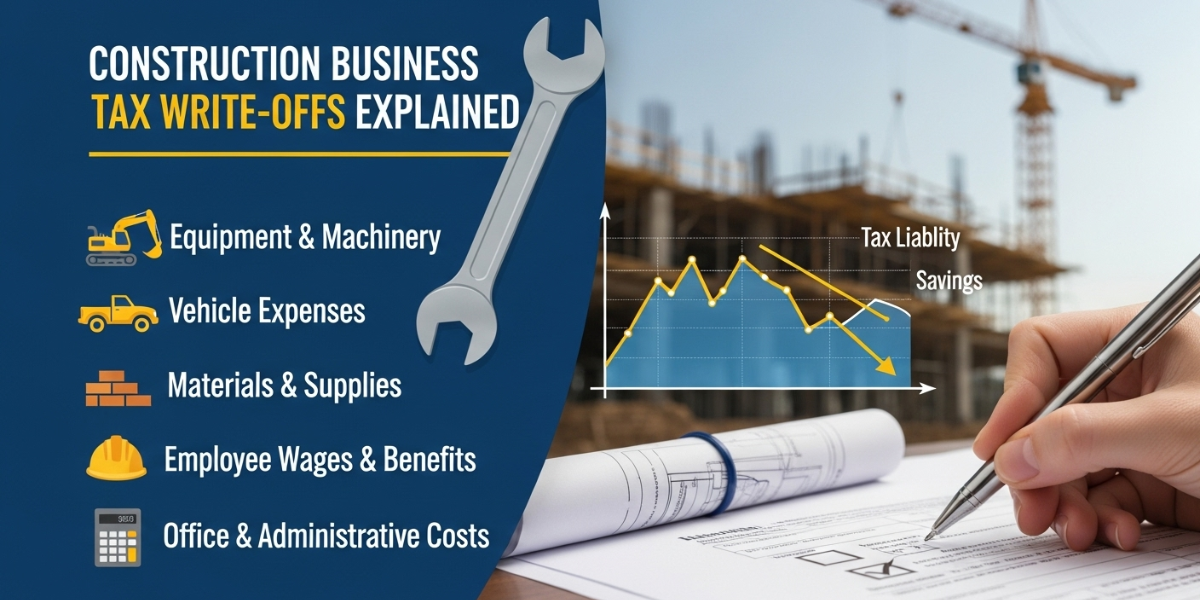
Running a construction business involves significant expenses, from payroll and materials to vehicles and heavy equipment. Getting a handle on how tax write-offs work for construction businesses can significantly cut down your taxable income and enhance your cash flow. When these deductions are handled carefully through professional construction business accounting, companies can lower their tax liability while staying compliant with IRS regulations. Working with an experienced CPA in Orlando allows contractors to claim every eligible expense accurately.
Understanding Construction Business Tax Write-Offs

Before examining specific deductions, it's helpful to understand what qualifies as a legitimate business expense under construction business tax rules. Deductible costs must be both ordinary (common within the industry) and necessary (helpful to business operations).
Deductible Expenses vs. Capital Expenditures
Some expenses can be deducted right away, while others must be spread across several years. Operating costs such as wages, materials, and insurance are deductible in the year they occur. Capital expenditures like vehicles or machinery used over multiple years are depreciated gradually. Proper classification in construction business accounting prevents compliance issues and missed deductions.
[showmodule id="1264"]Common Examples
Typical contractor tax deductions include:
- Labor and Materials: Cover wages, subcontractor payments, and project materials. These expenses form the foundation of construction work and are generally deductible in the same year.
- Equipment and Vehicles: Include trucks, tools, and machinery used on job sites. This category covers fuel, maintenance, and depreciation for essential equipment.
- Insurance and Professional Fees: Encompass liability coverage, workers' compensation, and payments for accountants or consultants. These services support financial protection and compliance.
- Administrative and Office Costs: Consist of office supplies, software subscriptions, and utilities that keep operations running smoothly.
These categories represent common and necessary costs that qualify as deductible under IRS guidelines.
Why Industry-Specific Accounting Matters
Accounting for contractors requires specialized knowledge. Construction firms manage project-based billing, retainage, and complex job costing systems. Without experience in these areas, reporting can become confusing. A CPA in Orlando familiar with construction business accounting can help maintain accuracy while uncovering additional deduction opportunities.
Common Tax Deductions for Construction Businesses

Construction companies face numerous expenses that can qualify as deductions under construction business tax laws. Knowing how to categorize and document them correctly is vital for both savings and compliance.
Developing a solid understanding of tax laws for your construction business helps identify savings opportunities and avoid penalties. These deductions play a major role in maintaining your construction business's financial health.
Labor and Material Costs
Labor and materials represent the core of every construction project. These costs are fully deductible when connected to active jobs. Deductible business expenses include:
- Employee Wages and Benefits: Include salaries, hourly pay, and benefits for workers on active projects. These costs reflect the labor required to complete each job.
- Subcontractor Payments: Represent payments reported on Form 1099-NEC for specialized labor or extra support. These are critical expenses that qualify as contractor tax deductions.
- Materials and Supplies: Cover items such as concrete, wiring, and safety gear. These materials are consumed during construction and are deductible within the year they are purchased.
Distinguishing direct job costs from overhead is a central part of construction business accounting. It allows more accurate deduction claims and minimizes audit risk.
Vehicle and Travel Expenses
Trucks and other vehicles play a key role in construction operations. Deductible costs include mileage between job sites, client meetings, and supply runs. For the year 2025, the IRS mileage rate is set at 70¢ per mile. Contractors may also choose to deduct their actual costs for fuel, repairs, and insurance instead.
Business travel away from home, such as overnight stays, may qualify for deductions covering lodging, airfare, and 50% of meal costs. Reliable tracking within accounting for contractors' systems helps maintain complete records.
Equipment, Machinery, and Tools
Equipment represents one of the largest investments for construction firms. Deductible categories include:
- Equipment Rentals: Short-term rentals are fully deductible and offer flexibility for specialized projects. This deduction helps contractors avoid the burden of purchasing expensive equipment outright.
- Depreciation for Long-Term Assets: Equipment and machinery expected to last over a year are depreciated across their useful life, distributing the deduction over time.
- Section 179 and Bonus Depreciation: Allow immediate write-offs for qualifying purchases, letting contractors deduct a significant portion of their costs in the year of purchase.
- De Minimis Safe Harbor Rule ($2,500 Expense Rule): Lets businesses expense small assets immediately rather than depreciating them, simplifying recordkeeping for low-cost tools or office equipment.
Monitoring depreciation schedules through construction business accounting software or consulting a CPA helps maintain proper documentation and accuracy.
[showmodule id="1264"]Business Services and Overhead
Overhead costs are necessary for day-to-day operations. Deductible business expenses include:
- Insurance Coverage: Includes general liability, workers' compensation, and health insurance. These protect the company, employees, and clients while maintaining legal compliance.
- Home Office Expenses: Apply when a section of a home is used exclusively for administrative duties. This deduction can cover utilities, internet, and office furnishings.
- Professional Services: Include legal, consulting, and bookkeeping fees that support management and compliance. These services keep operations efficient and organized.
- Marketing and Promotions: Encompass advertising, online marketing, and printed materials that attract clients and strengthen brand recognition.
- Utilities and Communication: Cover services such as phones, internet access, and business software subscriptions that facilitate communication and daily work.
Managing these costs effectively supports accurate construction business accounting and helps lower overall taxable income.
Key Tax Rules Explained

Construction taxation includes detailed rules that can be challenging to navigate. Understanding key regulations helps contractors make sound financial decisions.
What Can Construction Workers Write Off on Taxes?
Independent contractors can deduct a variety of business expenses:
- Tools and Equipment: Include power tools and small equipment needed for daily operations. These items are deductible within the year they are purchased.
- Protective Clothing and Uniforms: Cover boots, helmets, gloves, and safety apparel. These are necessary for workplace safety and compliance with industry standards.
- Mileage and Travel Expenses: Apply to driving between work sites, client meetings, or suppliers. Contractors can claim mileage or actual travel costs related to business activities.
- Union Dues and Trade Memberships: Cover fees for professional organizations and unions. Memberships support career development, networking, and training opportunities.
W-2 employees cannot deduct unreimbursed expenses under current tax law. Effective construction business accounting is especially important for independent workers seeking to track deductible costs.
What Is the $2,500 Expense Rule?
The De Minimis Safe Harbor Rule (IRS Reg. §1.263(a)-1(f)) lets businesses immediately expense purchases under $2,500 per invoice or item instead of depreciating them. To use this rule, companies must make an annual accounting election.
This provision streamlines recordkeeping and supports better cash management, particularly for smaller firms purchasing tools or computers. A CPA in Orlando can confirm that the election is recorded properly.
[showmodule id="1264"]How Does the New $6,000 Tax Deduction Work?
The 6,000-pound rule relates to Section 179 and Bonus Depreciation for vehicles weighing more than 6,000 pounds. If used primarily for business, these vehicles can qualify for significant deductions. The deduction depends on the percentage of business use and the type of vehicle. Keeping mileage and expense logs through construction business accounting software is vital for documentation.
What Expenses Are 100% Tax Deductible?
Not every business expense qualifies for a full deduction. The following typically do:
- Equipment Rentals and Repairs: Include rental fees and repair costs for machinery used in active projects.
- Business Insurance Premiums: Cover policies such as liability, workers' compensation, and property insurance.
- Employee Wages and Subcontractor Payments: Represent major deductible categories since they contribute directly to project completion.
- Job Materials and Supplies: Include items such as lumber, nails, and wiring that are consumed during construction.
- Advertising and Marketing Campaigns: Cover promotions, digital ads, and local sponsorships that attract clients.
Meals are typically 50% deductible, and entertainment costs are generally excluded.
Best Practices for Maximizing Construction Business Tax Write-Offs

Maximizing deductions requires careful organization and planning. Combining consistent recordkeeping with professional construction business accounting helps maintain profitability while reducing audit risk.
Recordkeeping and Organization
Accurate records are the foundation of effective accounting. It's important to hold onto both digital and physical copies of your receipts, invoices, and mileage logs. Key practices include:
- Separate Business Accounts: Maintain dedicated accounts for company finances. This prevents confusion between personal and business spending and improves bookkeeping accuracy.
- Documentation of Expenses: Save invoices, receipts, and statements for all transactions. Detailed records make verifying deductions easier during tax preparation or an audit.
- Tracking Purchases and Assets: Use accounting software to record asset purchases and depreciation. Regular updates keep financial data current and reliable.
Thorough recordkeeping simplifies tax filing and improves financial oversight.
[showmodule id="1264"]Strategic Planning
The timing of large purchases and investments influences total deductions. Reviewing depreciation schedules helps plan acquisitions during high-income years and take advantage of Section 179 or Bonus Depreciation benefits.
Meeting regularly with a CPA in Orlando provides insight and adjustment opportunities throughout the year. Consistent communication supports accurate construction business accounting and well-informed decisions.
Effective planning helps you set clear financial goals for your construction business. A well-structured financial approach allows you to track performance and strengthen decision-making for future growth.
Why Work with a Specialized CPA or Accounting Firm

Some contractors prefer to manage their own books, but collaborating with a specialized CPA in Orlando typically leads to stronger results. These experts really get the specific challenges that come with tax planning in the construction industry, and they craft personalized strategies to help you achieve financial success.
Professional accountants use tax-saving strategies for construction businesses to help companies minimize expenses and build stronger financial stability.
Benefits of a Proactive CPA Relationship
A proactive CPA provides continuous financial insight instead of limited annual support. Key benefits include:
- Up-to-Date Tax Knowledge: A CPA stays current with construction business tax regulations and updates. This helps contractors apply accurate rules for savings.
- Audit and Financial Reporting Support: Offers assistance during audits and prepares detailed financial reports. Expert oversight enhances compliance and minimizes risk.
- Growth and Cash Management Guidance: Provides advice on cash flow, budgeting, and future expansion. This guidance promotes long-term stability and profitability.
- Tax Filing and Deduction Advice: Delivers tailored tax filing tips and identifies eligible deductions. This service helps contractors claim all legitimate write-offs.
- Compliance and Succession Planning: Supports regulatory management and succession strategies, helping businesses maintain continuity and financial health.
Professional accounting allows contractors to focus on their projects while keeping construction business accounting organized and dependable.
How Davis Group Helps Construction Businesses Maximize Tax Savings

Davis Group works with construction companies and contractors, offering expert construction business accounting and tax filing tips. The firm identifies deductible business expenses, manages depreciation schedules, and supports compliance with construction business tax laws.
Our approach includes:
- Accounting for Contractors: Provides accurate cost tracking and project-based reporting that help control budgets and improve efficiency.
- Tax Deduction and Section 179 Guidance: Offers in-depth advice on contractor tax deductions and Section 179 opportunities to help clients minimize taxable income.
- Financial Planning and Audit Preparation: Supports clients year-round with organized planning and audit readiness to promote financial confidence.
As a respected Orlando accounting firm, Davis Group provides insights that help construction businesses grow, strengthen operations, and maintain financial stability.
Conclusion
Understanding construction business tax write-offs is essential for maintaining profitability and compliance in the construction industry. Every deduction identified through careful accounting adds measurable value. Partnering with a knowledgeable CPA in Orlando provides clarity in managing construction business accounting and filing accurate tax returns.To refine your tax strategy, contact Davis Group today or download a free construction tax deduction checklist to start maximizing potential savings.