
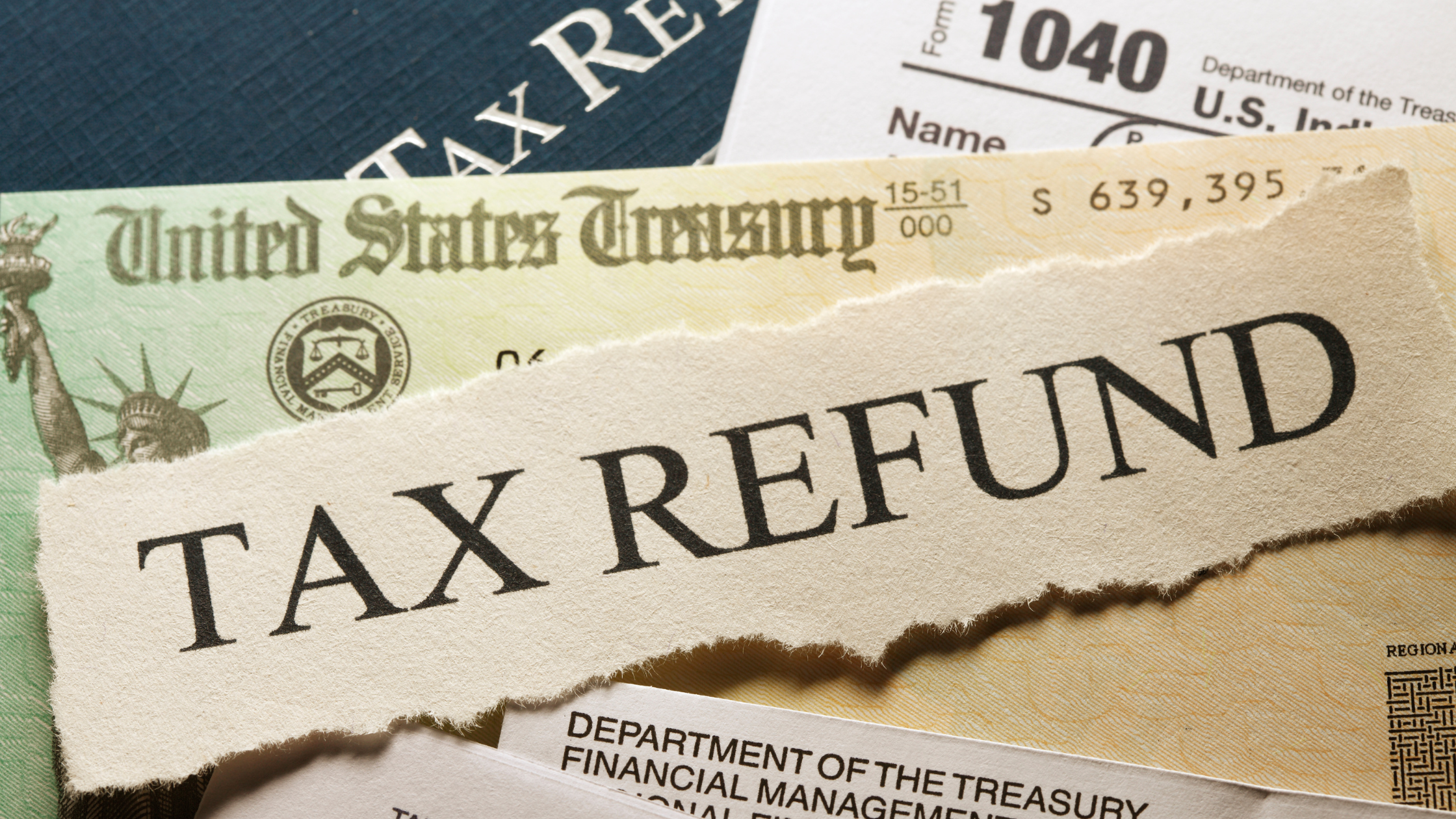
Tax refunds are a crucial aspect of financial planning for many individuals and businesses in the United States. However, when it comes to Florida, the tax refund system operates somewhat differently compared to other states due to its unique tax structure. This guide provides a thorough understanding of tax refunds in Florida, covering who qualifies, how to claim them, and essential deadlines to keep in mind.
Does Florida Offer State Tax Refunds?
Florida is one of the few states in the U.S. that does not impose a state income tax on individuals. This means that residents do not file state income tax returns and, consequently, do not receive state tax refunds. However, Floridians are still subject to federal income taxes, and eligible taxpayers may receive a federal tax refund from the IRS.
Business Tax Considerations
While individuals do not pay state income tax, businesses operating in Florida may be subject to certain state taxes, including:
- Corporate Income Tax – Florida businesses are subject to corporate income tax at a rate of 5.5%, though certain deductions and credits may reduce taxable income.
- Sales and Use Tax – Florida imposes a 6% state sales tax on goods and some services, with possible local surcharges.
- Property Taxes – Businesses and individuals who own real estate in Florida must pay local property taxes, which vary by county.
- Unemployment Tax – Employers in Florida must pay reemployment taxes (formerly known as unemployment taxes).
Businesses that overpay these taxes may be eligible for refunds under specific circumstances, requiring them to file refund requests with the Florida Department of Revenue.
[showmodule id="1264"]
Federal Tax Refunds for Florida Residents
Since Florida does not have state income taxes, taxpayers primarily focus on federal tax refunds, which come from the IRS. Here’s how it works:
1. Eligibility for a Federal Tax Refund
A federal tax refund is issued when a taxpayer has overpaid their income taxes throughout the year due to:
- Excess withholding from paychecks
- Overpayment of estimated tax payments
- Tax credits that exceed tax liability
- Deductions that lower taxable income
2. How to File for a Federal Tax Refund
To claim a federal tax refund, Florida residents must file a federal tax return (Form 1040) with the IRS. This can be done through:
- Electronic Filing (E-File) – Using IRS-approved tax software like TurboTax, H&R Block, or IRS Free File.
- Paper Filing – Mailing a paper return to the IRS, which may take longer to process.
- Professional Tax Preparers – Hiring a CPA or tax professional to file on your behalf.
3. Key Deadlines for Filing
The IRS tax filing deadline for the previous tax year is typically April 15 unless extended due to holidays or special circumstances. Extensions can be filed (Form 4868), but taxes owed must still be paid on time to avoid penalties.
4. How to Check the Status of Your Refund
After filing a federal tax return, Floridians can check the status of their refund through:
- "Where’s My Refund?" Tool on the IRS website (irs.gov)
- IRS2Go Mobile App
- IRS Refund Hotline: 1-800-829-1954
Refunds are typically processed within 21 days for electronic filers and 6-8 weeks for paper filers.
Common Reasons for Tax Refund Delays
Tax refunds can sometimes be delayed due to various reasons, including:
- Filing Errors – Incorrect Social Security numbers, misreported income, or missing information can slow down processing.
- Fraud Prevention Reviews – The IRS conducts additional scrutiny if fraud is suspected.
- Claiming Earned Income Tax Credit (EITC) or Additional Child Tax Credit (ACTC) – These refunds are usually delayed until mid-February due to anti-fraud measures.
- Amended Returns – Processing an amended return (Form 1040-X) can take up to 16 weeks.
Florida-Specific Tax Refunds and Rebates
Although Florida does not issue state income tax refunds, residents and businesses may qualify for certain tax refunds and rebates:
1. Sales Tax Refunds
Florida businesses or individuals who overpay sales tax or pay sales tax on exempt purchases can apply for a refund through the Florida Department of Revenue. Common reasons for a sales tax refund include:
- Paying sales tax on exempt goods or services
- Making tax-exempt purchases for resale
- Paying tax on items later returned to the seller
2. Property Tax Refunds and Exemptions
Homeowners and businesses may qualify for property tax refunds or exemptions, such as:
- Homestead Exemption – Reduces taxable home value by up to $50,000 for primary residences.
- Senior, Veteran, and Disability Exemptions – Additional tax relief for eligible groups.
- Property Tax Appeals – If property values are assessed too high, an appeal can result in a refund.
3. Gas Tax Refunds
Certain Florida businesses, such as farming or government entities, can apply for a refund on fuel taxes paid for non-highway use.
[showmodule id="1264"]
4. Unemployment Tax Refunds for Employers
Employers who overpay their reemployment taxes may apply for a refund through the Florida Department of Revenue.
What to Do If You Haven’t Received Your Refund
If you are expecting a tax refund and haven’t received it within the expected timeframe, consider:
- Checking Refund Status Online – Use the IRS website for federal refunds.
- Contacting the Florida Department of Revenue – If applying for a sales or business tax refund.
- Reviewing Your Tax Return – Ensure there were no errors in your filing.
- Calling the IRS or Florida Revenue Office – If delays persist beyond standard processing times.
Understanding tax refunds in Florida requires knowing the distinction between state and federal tax systems. While Florida does not offer state income tax refunds, residents and businesses can still receive federal tax refunds and other state-related refunds such as sales tax refunds, property tax exemptions, and business tax reimbursements. Staying informed about deadlines, eligibility, and refund processes will help ensure a smooth experience when claiming tax refunds in Florida.
For the latest updates on tax refunds, check the IRS website for federal refunds and the Florida Department of Revenue for state-related refunds.
If you need professional assistance with your tax filings or refunds, Davis Group P.A. is here to help. Contact us today for expert tax guidance tailored to your needs!